


integratedoven2960
About integratedoven2960
This Is How In Built Oven Will Look Like In 10 Years’ Time
The Comprehensive Guide to In-Built Ovens
In-built ovens, also referred to as built-in ovens, are an important function in modern-day cooking areas, integrating performance and style in one design. With developments in innovation and a growing focus on culinary experiences, inbuilt ovens have actually ended up being significantly popular for both amateur cooks and professional chefs. This post provides a substantial summary of built-in ovens, their benefits, types, setup, upkeep, and answers to regularly asked concerns.
What is an In-Built Oven?
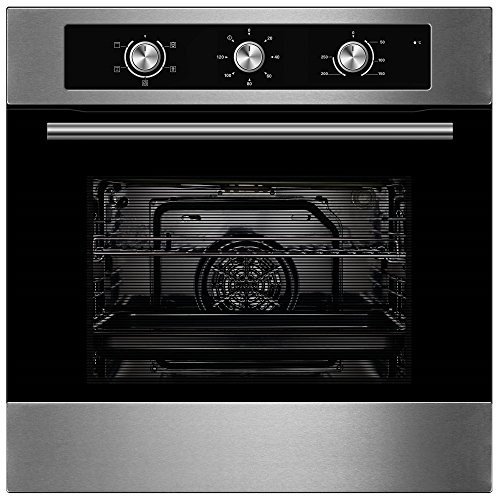
A built-in oven is a kitchen home appliance that is created to be integrated into cabinetry or walls, using a smooth appearance. Unlike traditional freestanding ovens, built-in ovens are suited designated areas and are frequently matched with other appliances, such as built-in microwaves or warming drawers, for a cohesive kitchen design.
Benefits of In-Built Ovens
Inbuilt ovens use a number of advantages over traditional ovens. Some of the essential benefits consist of:
- Space Efficiency: Built-in ovens conserve important floor area and can help create an organized kitchen layout, especially in smaller areas.
- Aesthetic Appeal: Their sleek design enhances the general look of a kitchen, adding to a modern-day and streamlined appearance.
- Ergonomics: These ovens are frequently set up at eye level, making it much easier to examine food and minimize the danger of flexing down.
- Modification: In-built ovens can be chosen based upon specific kitchen styles and personalization preferences, permitting homeowners to create their perfect cooking environment.
- Advanced Features: Many Bosch black built-in single oven – modern cooking ovens come geared up with high-tech functions like wise control systems, self-cleaning options, and various cooking modes, improving efficiency and cooking outcomes.
Kinds Of In-Built Ovens
Built-in ovens are readily available in different types, each accommodating different cooking styles and requirements. The primary types include:
- Single Ovens: A standard design with one cooking compartment.
- Double Ovens: Featuring 2 cavities, allowing synchronised cooking at various temperatures.
- Wall Ovens: Installed into the wall at eye level for simple gain access to and reduced flexing.
- Steam Ovens: Use steam to prepare food, preserving wetness and nutrients.
- Convection Ovens: Incorporate fans for even heat circulation, decreasing cooking times.
- Microwave Ovens: A mix of microwave and conventional oven functionalities, best for flexible cooking requirements.
- Mix Ovens: Combine different cooking approaches such as microwave, convection, and conventional baking.
Installation of In-Built Ovens
The setup process for built-in ovens varies based upon the type and design. Here are some general actions included:
- Preparation: Prior to installation, ensure the space is measured correctly and matches the oven’s dimensions.
- Electrical and Plumbing: If your oven needs a gas line or particular electrical circuits, ensure the necessary changes are made beforehand.
- Fitting: Place the oven into the cabinet or wall area and secure it according to maker instructions, guaranteeing it is level.
- Finishing Touches: Install any trim or cabinetry essential to cover gaps and attain a polished look.
Keep in mind: It’s often advised to work with an expert installer, specifically when dealing with electrical or gas connections.
Upkeep of In-Built Ovens
Proper maintenance is important for guaranteeing the longevity and efficiency of built-in ovens. Here are some crucial upkeep ideas:
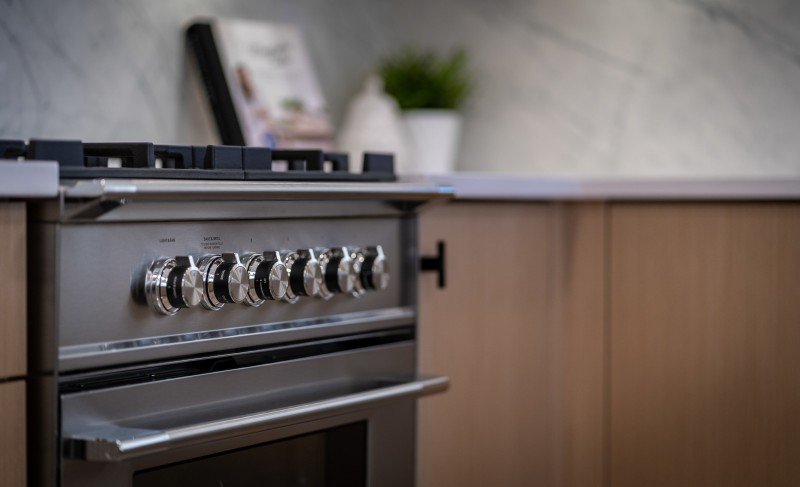
- Regular Cleaning: Wipe down surface areas after each use, and use a self-cleaning function if available to lessen accumulation.
- Examine Seals: Inspect the door seals regularly to guarantee they are undamaged and clean.
- Ventilation: Ensure that the oven has proper ventilation, particularly for wall ovens positioned inside cabinets.
- Service Checks: Schedule routine service checks with certified professionals to make sure all elements are functioning properly.
FAQs About In-Built Ovens
Q1: Are in-built ovens energy efficient?A1: Yes, numerous inbuilt ovens are developed to be energy effective, typically featuring insulation and advanced heating technologies that decrease energy consumption.
Q2: Can I set up an in-built oven myself?A2: While some property owners might pick to install their ovens individually, it is recommended to hire an expert, especially if electrical or gas connections are involved.
Q3: Are in-built ovens more pricey than freestanding ovens?A3: In-built ovens typically come at a higher price point due to their design, customization alternatives, and advanced functions.
Q4: How do I choose the ideal built-in oven for my kitchen?A4: Consider factors such as your cooking practices, the available area, preferred features, and your kitchen’s design when selecting a built-in oven.
Inbuilt ovens are an important addition to modern-day kitchen areas, mixing design and functionality. With various types readily available, homeowners can pick an oven that best fits their cooking needs and kitchen layout. Understanding the setup procedure, upkeep requirements, and features can boost the cooking experience while including value to the home. Whether you’re an aspiring chef or a casual cook, purchasing a built-in oven can fundamentally transform the way you prepare meals, bringing both efficiency and sophistication to your cooking endeavors.
Summary Table of In-Built Oven Types
| Type of Oven | Secret Features |
|---|---|
| Single Oven | One cooking compartment; ideal for standard use. |
| Double Oven | 2 compartments; enables cooking at different temperatures. |
| Wall Oven | Set up at eye level; reduces flexing. |
| Steam Oven | Cooks with steam; retains nutrients. |
| Stove | Even heat distribution; faster cooking times. |
| Microwave | Integrates microwave and baking performances. |
| Mix Oven | Several cooking techniques; flexible cooking options. |
With knowledge and factors to consider laid out in this post, readers can with confidence browse their options for built-in ovens, making informed choices that elevate their kitchen experience.
No listing found.